What siding is best for humid climates?
Choosing the Best Siding for Humid Climates
For homeowners in humid climates, the primary concern when selecting siding is its ability to withstand moisture, resist mold and mildew growth, and maintain its structural integrity over time. The best siding options for these environments are typically those that are non-porous, resistant to rot and pests, and require minimal maintenance. Materials like vinyl, fiber cement, and certain types of engineered wood siding generally perform well, offering durability and a good defense against the challenges presented by high humidity.
Understanding the Challenges of Humid Climates
Humid climates present a unique set of challenges for exterior building materials. Constant high levels of atmospheric moisture can lead to a variety of problems, including:
- Mold and mildew growth: Damp surfaces are ideal breeding grounds for mold and mildew, which can be unsightly and pose health risks.
- Rot and decay: Organic materials like wood siding are particularly susceptible to rot and decay when exposed to prolonged moisture.
- Pest infestation: Wood-boring insects and other pests are often more prevalent in damp environments, further compromising siding integrity.
- Expansion and contraction: Fluctuations in humidity can cause materials to expand and contract, leading to cracking, warping, and joint failure over time.
- Fading and discoloration: The constant presence of moisture can also accelerate the fading and discoloration of siding materials.
Selecting a siding material that is inherently resistant to these issues is crucial for ensuring the longevity and aesthetic appeal of your home.
Top Siding Options for Humid Climates
Vinyl Siding
Vinyl siding is a popular choice for humid climates due to its affordability, low maintenance, and excellent resistance to moisture. It is a non-porous material, meaning it does not absorb water, which significantly reduces the risk of rot, decay, and mold growth. Modern vinyl siding is also designed to withstand UV rays and extreme temperature fluctuations without cracking or warping. While it is generally durable, it’s important to choose a thicker gauge vinyl for greater impact resistance. Regular cleaning with soap and water is typically all that is needed to keep vinyl siding looking its best.
Fiber Cement Siding
Fiber cement siding is another highly recommended option for humid regions. This composite material, made from cement, sand, and cellulose fibers, is non-combustible, insect-resistant, and has a very low moisture absorption rate, making it impervious to rot and mildew. It can be manufactured to mimic the look of wood, stucco, or stone, offering versatile design possibilities. Fiber cement siding is also known for its durability and longevity, often lasting for decades. While it is a more significant investment than vinyl, its resistance to the elements in humid climates often justifies the cost. It typically requires painting every 10-15 years, depending on the quality of the paint and exposure to elements.
Engineered Wood Siding
Engineered wood siding, such as those made from oriented strand board (OSB) with a protective coating, can also be a suitable choice, provided it is specifically manufactured for high-humidity environments and is properly installed and maintained. These products are engineered to be more resistant to moisture and decay than traditional solid wood siding. Many engineered wood sidings are treated with resins and waxes to repel water. However, it’s crucial to ensure that joints are properly sealed and that any exposed edges are protected. Regular inspections for any signs of moisture intrusion or damage are recommended, and repainting or staining may be necessary more frequently than with vinyl or fiber cement.
Materials to Approach with Caution
Solid Wood Siding
While beautiful, solid wood siding is generally not the best choice for very humid climates. Its porous nature makes it highly susceptible to water absorption, leading to rot, decay, warping, and pest infestations. If you are set on wood, consider options like cedar or redwood, which have natural oils that offer some resistance to decay and insects, but they still require diligent maintenance, including regular sealing and painting, and may not fare as well as other materials in persistently wet conditions.
Metal Siding (with caveats)
Metal siding, such as aluminum or steel, is inherently resistant to moisture and rot. However, it can be prone to corrosion if the protective coating is damaged or if it is exposed to salt in coastal humid areas. Expansion and contraction in temperature changes can also be a concern, potentially leading to noise or buckling if not installed correctly. It’s important to choose high-quality, well-coated metal siding and to address any scratches or damage promptly.
Installation and Maintenance are Key
Regardless of the material you choose, proper installation is paramount in humid climates. Correct flashing, sealing of joints, and adequate ventilation are essential to prevent moisture from becoming trapped behind the siding, which can lead to significant structural damage. A well-ventilated wall cavity helps to dry out any moisture that may penetrate the exterior. Regular maintenance, including cleaning and prompt repairs, also plays a vital role in extending the life of your siding and preventing potential issues.
Considerations for Your Specific Location
Even within humid regions, local microclimates can vary. For instance, coastal areas may have the added challenge of salt spray, which can accelerate corrosion on certain materials. Areas with dense tree cover may experience more prolonged shade and dampness, potentially increasing the risk of mold growth. Understanding these specific environmental factors will help you make the most informed decision.
Get Expert Advice
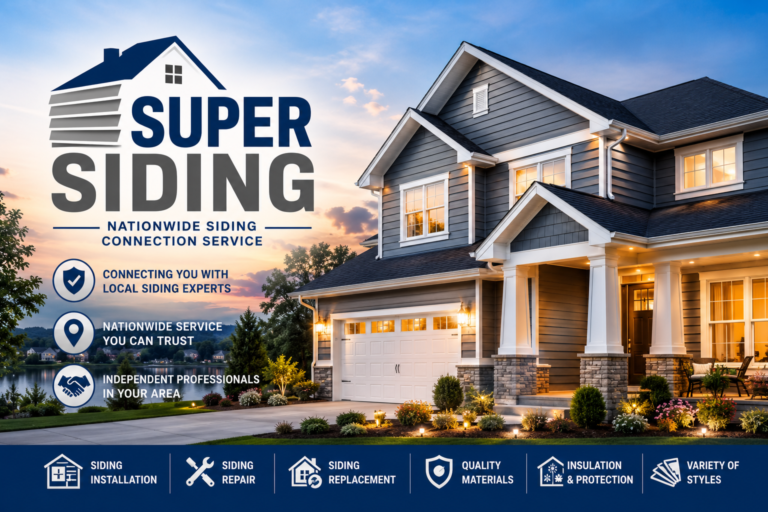
Selecting the right siding for a humid climate is a significant decision that impacts your home’s durability, appearance, and maintenance needs for years to come. Consulting with local siding professionals can provide invaluable insights tailored to your specific climate and home. Super Siding is a free nationwide service that can connect you with local, independent siding professionals who have extensive experience with the challenges and best practices for siding in humid environments. They can assess your home’s needs and recommend the most suitable materials and installation methods.
For personalized recommendations and professional installation, call to get connected with a local siding pro today.
Need a Siding Contractor? Call today to get connected.