What is fiber cement siding?
Fiber cement siding is a composite material made from cement, sand, and cellulose fibers. Its popularity among homeowners stems from its durability, low maintenance, and aesthetic versatility, mimicking the look of natural materials like wood, stucco, or stone while offering superior performance. This advanced siding option has become a preferred choice for new construction and renovations due to its robust composition.
Understanding the Composition of Fiber Cement Siding
The primary components of fiber cement siding are Portland cement, sand or silica, and cellulose fibers. These ingredients are mixed with water to form a slurry, which is then cured under heat and pressure. This manufacturing process gives fiber cement its remarkable strength and stability. The cellulose fibers act as a binder, reinforcing the cement and sand matrix, thereby preventing cracking and increasing impact resistance. The absence of organic materials like wood in its composition means it is resistant to rot, decay, and insect infestation, a significant advantage over traditional wood siding.
Key Advantages of Fiber Cement Siding
Homeowners are increasingly choosing fiber cement siding for several compelling reasons. Its durability is perhaps its most significant benefit. Unlike vinyl, it is not prone to warping in extreme temperatures or cracking under impact, making it an excellent choice for areas with harsh weather conditions. Furthermore, its resistance to moisture prevents issues like mold and mildew growth, which can plague less robust materials. The material is also non-combustible, offering a degree of fire resistance that is a crucial safety consideration for many homeowners.
Beyond its functional benefits, fiber cement siding offers impressive aesthetic flexibility. It can be manufactured to replicate the look of traditional wood lap siding, shingles, or even stucco finishes. This versatility allows homeowners to achieve a wide range of architectural styles without the drawbacks of the materials they are mimicking. The availability of a vast spectrum of colors, often applied in factory-baked finishes, ensures that homeowners can find a product that perfectly complements their home’s design and surrounding landscape. These finishes are typically warrantied against fading and chalking, adding to the long-term appeal of the siding.
Comparing Fiber Cement Siding to Other Materials
When considering siding options, it’s helpful to compare fiber cement to other popular choices such as vinyl, wood, and engineered wood. Vinyl siding is generally more affordable upfront and requires minimal maintenance, but it can be prone to fading, cracking, and denting. Wood siding offers a classic, natural aesthetic but demands significant upkeep, including regular painting, sealing, and susceptibility to rot and insect damage. Engineered wood siding, like OSB-based products, improves upon traditional wood with better resistance to moisture and insects, but can still be vulnerable to delamination over time. Fiber cement, while often higher in initial cost than vinyl, offers a superior combination of durability, low maintenance, and aesthetic appeal that can justify the investment over the lifespan of the home.
Installation Considerations for Fiber Cement Siding
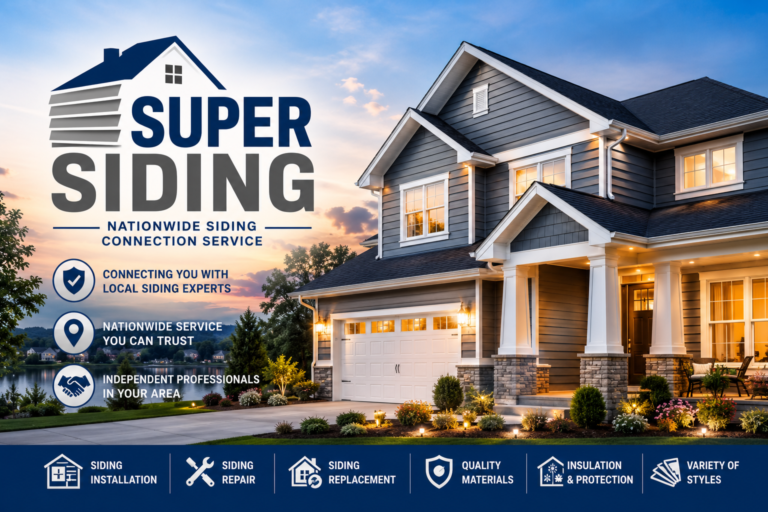
The proper installation of fiber cement siding is critical to ensuring its performance and longevity. This is not typically a do-it-yourself project for most homeowners. The material is dense and requires specialized tools for cutting, which can generate silica dust, necessitating appropriate safety precautions and personal protective equipment. Correct installation involves meticulous attention to detailing, including the use of the recommended fasteners, proper flashing around windows and doors, and adherence to manufacturer specifications for expansion and contraction. Given the labor-intensive nature and the need for specialized knowledge, hiring a qualified and experienced siding professional is highly recommended. Services like Super Siding can help connect homeowners with local, independent siding professionals who have the expertise to install fiber cement siding correctly, ensuring optimal results and peace of mind.
The Role of Climate in Siding Performance
The choice of siding material can be significantly influenced by local climate conditions. In regions with extreme temperature fluctuations, materials that are prone to expansion and contraction can lead to premature failure. Fiber cement’s inherent stability makes it an excellent choice for such environments. Coastal areas, with their high humidity and salt spray, also benefit from fiber cement’s moisture and corrosion resistance. For climates prone to high winds, the robust nature of fiber cement provides a shield against wind-driven debris. Conversely, in milder climates, the decision might lean more towards aesthetic preferences and initial cost, although the long-term benefits of fiber cement often outweigh these initial considerations.
Maintenance Requirements for Fiber Cement Siding
One of the most attractive features of fiber cement siding is its low maintenance requirement. Unlike wood, it does not need to be painted or stained regularly to prevent rot or decay. Periodic cleaning is typically all that is needed to keep it looking its best. A simple wash with mild soap and water, or a gentle power washing, can remove dirt, grime, and mildew. Homeowners should avoid using abrasive cleaners or high-pressure washing directly on the surface, as this can damage the finish. For homes with factory-applied paint finishes, these are designed to be highly durable and resistant to fading, but it’s always wise to follow the manufacturer’s recommendations for care.
The Lifespan and Investment Value of Fiber Cement Siding
Fiber cement siding is renowned for its exceptional longevity. With proper installation and minimal maintenance, it can last for 50 years or more, often exceeding the lifespan of the home itself. This extended durability translates into significant long-term value for homeowners. While the initial cost may be higher than some alternative materials, its resistance to damage, low maintenance needs, and long lifespan can make it a more economical choice over time by reducing repair and replacement expenses. It can also contribute to a home’s resale value, as buyers recognize the appeal of durable, low-maintenance exterior materials. Understanding the commitment to a material that will endure for decades is a key part of the decision-making process for many homeowners.
Conclusion
In summary, fiber cement siding represents a sophisticated and highly practical solution for homeowners seeking a durable, attractive, and low-maintenance exterior for their homes. Its unique composition provides superior resistance to moisture, insects, rot, and fire, while its versatility in design allows it to enhance a wide array of architectural styles. While professional installation is essential to unlock its full potential, the long-term value and peace of mind it offers make it a sound investment for discerning homeowners. If you’re considering a siding upgrade or a new build, exploring the benefits of fiber cement is a worthwhile endeavor.
If you’re ready to explore fiber cement siding or discuss other siding options with Genuinely useful, accurate information, call Super Siding today. We are a free nationwide service that connects homeowners with local, independent siding professionals who can provide expert advice and installation services.
Need a Siding Contractor? Call today to get connected.