What is Dutch lap siding?
What is Dutch Lap Siding
Dutch lap siding, also known as clapboard or lap siding, is a popular exterior cladding material for homes that features a distinctive, angled overlap where each board sits atop the one below it. This unique profile creates a more pronounced shadow line than traditional clapboard, giving it a visually appealing depth and character. It’s a versatile siding option that can be used on a wide variety of architectural styles, from historic homes to modern designs.
The Distinctive Profile of Dutch Lap Siding
The defining characteristic of Dutch lap siding is its precisely milled bevel and cove. Unlike standard clapboard where the bottom edge of one board simply butts against the face of the board below it, Dutch lap siding has a more intricate construction. The top edge of each board is cut at an angle (a bevel), and the bottom edge is shaped with a cove or groove. When installed, the beveled top edge of the lower board slips into the cove of the upper board. This interlocking design not only creates a stronger, more weather-resistant seal but also results in a clearly defined shadow line that adds architectural interest and a sense of dimension to the exterior of a home.
This shadow line is a crucial element of the aesthetic appeal of Dutch lap siding. The angled profile catches light and casts shadows in a way that highlights the horizontal lines of the home, creating a classic and refined look. The depth of this shadow line can vary depending on the width of the siding boards and the angle of the cut, offering designers and homeowners some flexibility in achieving their desired visual effect.
Materials Used for Dutch Lap Siding
Dutch lap siding is available in a range of materials, each with its own set of characteristics regarding durability, maintenance, cost, and appearance. The choice of material will significantly impact the longevity, upkeep, and overall investment of your home’s exterior.
Vinyl Dutch Lap Siding
Vinyl is one of the most common and cost-effective materials for Dutch lap siding. It is lightweight, easy to install, and requires minimal maintenance. Vinyl siding is resistant to insects and moisture, and it comes in a vast array of colors and textures, including options that mimic the look of natural wood. However, vinyl can be prone to fading over time, especially in areas with intense sun exposure, and can become brittle in very cold climates.
Fiber Cement Dutch Lap Siding
Fiber cement siding is a highly durable and resilient option. It is composed of cement, sand, and cellulose fibers, making it resistant to fire, insects, rot, and extreme weather conditions. Fiber cement siding can be painted to match any desired color and often offers a more authentic wood-like appearance than vinyl. It is heavier and requires more specialized installation, which can increase labor costs. Its longevity and resistance to the elements make it a worthwhile investment for many homeowners.
Wood Dutch Lap Siding
Traditional wood siding, such as cedar or pine, offers unparalleled natural beauty and warmth. It can be stained or painted to achieve a desired look and is considered an eco-friendly option. However, wood siding requires regular maintenance, including painting or staining every few years, to protect it from moisture, insects, and UV damage. In some climates, wood siding might require more frequent attention to prevent warping or rot.
Engineered Wood Dutch Lap Siding
Engineered wood siding is made from wood fibers bonded together with adhesives and binders. It offers many of the aesthetic benefits of real wood but is typically more stable and less prone to warping or cracking. It often comes pre-primed and ready for painting, and many manufacturers offer good warranties. Like fiber cement, it provides a balance of realistic appearance and improved durability over traditional wood.
Installation Considerations
Proper installation is paramount to the performance and longevity of any siding, and Dutch lap is no exception. The interlocking nature of Dutch lap requires precise alignment and fastening to ensure a watertight and wind-resistant seal. Skilled installers will pay close attention to:
- Flashing: Adequate flashing around windows, doors, and corners is essential to prevent water intrusion.
- Expansion and Contraction: Siding materials expand and contract with temperature changes. Installers must account for this movement to prevent buckling or cracking.
- Nailing: The correct nail size and placement are crucial for securing the siding without over-tightening, which can lead to expansion issues.
- Pitch: The slight upward tilt of each board helps water drain away from the house, a critical feature of effective lap siding.
The quality of the installation directly impacts how well your Dutch lap siding performs against the elements and how long it will last. Choosing experienced professionals is key.
Maintenance and Durability
The maintenance requirements for Dutch lap siding vary significantly depending on the material selected. Vinyl siding generally requires the least amount of upkeep, typically needing only occasional washing with soap and water to remove dirt and mildew. Fiber cement and engineered wood siding also offer lower maintenance than natural wood, though they may benefit from periodic cleaning and inspection. Natural wood siding demands the most diligent maintenance, often requiring repainting or restaining every few years to maintain its appearance and protect it from the elements. In harsh climates with significant temperature fluctuations or heavy precipitation, the durability of materials like fiber cement becomes a more attractive proposition.
Super Siding A Connection Service
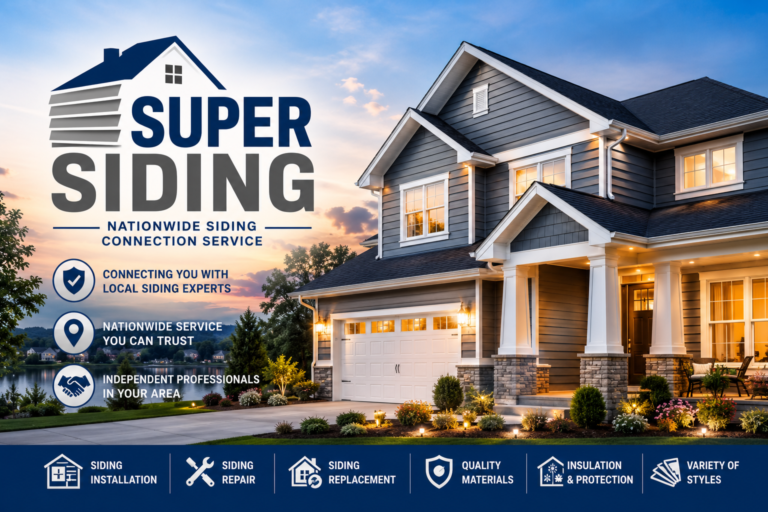
When it’s time to consider new siding for your home, understanding your options and finding qualified professionals is essential. Super Siding is a free nationwide service that connects homeowners with local, independent siding contractors. We do not perform any installation work ourselves, but we facilitate the process of finding experienced professionals in your area who can help you choose and install the right Dutch lap siding for your needs and budget.
Get Connected with a Local Siding Professional
Dutch lap siding offers a classic and appealing aesthetic with practical benefits. To explore your Dutch lap siding options and get expert advice tailored to your specific home and location, we encourage you to call and get connected with a local siding pro through Super Siding today.
Need a Siding Contractor? Call today to get connected.