What are the pros and cons of vinyl siding?
Vinyl siding is a popular and readily available exterior cladding option for homes, offering a compelling balance of affordability and low maintenance, but it also comes with its own set of limitations that homeowners should carefully consider. This introduction will explore the multifaceted nature of vinyl siding, detailing its advantages and disadvantages to provide a comprehensive understanding for any homeowner contemplating its use for their property.
The Advantages of Vinyl Siding
One of the most significant benefits of vinyl siding is its cost-effectiveness. Compared to many other exterior cladding materials, vinyl offers a lower upfront investment, making it an attractive option for budget-conscious homeowners or those undertaking large-scale renovation projects. This affordability extends to its installation, which is generally less labor-intensive than materials like wood or fiber cement, further contributing to its overall economic appeal.
Beyond its initial price point, vinyl siding is renowned for its exceptionally low maintenance requirements. Unlike wood siding, which demands regular painting, staining, and sealing to protect against rot, insects, and weathering, vinyl surfaces can typically be cleaned with a simple garden hose and mild detergent. This freedom from constant upkeep significantly reduces long-term costs and the time commitment associated with exterior home maintenance.
Another advantage is the wide variety of styles, colors, and textures available. Vinyl siding can mimic the appearance of natural materials like wood grain, shakes, and stone, allowing homeowners to achieve various aesthetic goals without the associated costs or maintenance challenges. The extensive color palette ensures that there is likely a shade to complement any architectural style or personal preference.
Furthermore, vinyl siding is resistant to moisture damage, rot, and insect infestation. This inherent durability means it will not warp, crack, or peel due to the elements, contributing to its longevity and reducing the need for frequent repairs. Its resistance to these common issues makes it a practical choice for homeowners in areas prone to high humidity or pest problems.
Finally, many vinyl siding products offer good insulation properties, which can contribute to improved energy efficiency in a home. While not as insulating as dedicated insulation materials, the added layer of vinyl can help reduce heat transfer, potentially leading to lower heating and cooling bills.
The Disadvantages of Vinyl Siding
Despite its numerous benefits, vinyl siding is not without its drawbacks. One of the primary concerns is its susceptibility to impact damage. While modern vinyl formulations have improved, severe impacts from hail, rocks, or even errant lawnmower debris can cause cracks, dents, or punctures, which may require patching or replacement of individual panels.
Another potential disadvantage is its tendency to fade over time, especially with prolonged exposure to direct sunlight. While manufacturers have made strides in fade resistance, darker colors are generally more prone to discoloration than lighter shades. This fading can alter the intended aesthetic of the home and may necessitate replacement sooner than expected in intensely sunny climates.
The expansion and contraction of vinyl with temperature fluctuations is another factor to consider. Improper installation can lead to buckling or warping of the siding as it expands in the heat and contracts in the cold. It is crucial to ensure that vinyl siding is installed by experienced professionals who understand these thermal dynamics and allow for adequate movement.
While vinyl siding is an economical choice upfront, its lifespan may be shorter than some premium materials like brick or stone. In some cases, it may need to be replaced within 15-30 years, depending on the quality of the product, installation, and environmental conditions. This shorter lifespan should be factored into the long-term cost of ownership.
Environmental concerns are also a consideration for some homeowners. Vinyl siding is made from PVC (polyvinyl chloride), a plastic that is not biodegradable. While many manufacturers now use recycled content and have improved production processes, the long-term environmental impact of its production and disposal is a point of discussion.
Lastly, while vinyl siding can offer some sound insulation, it is generally not as effective as denser materials. Homes clad in vinyl may be more susceptible to noise transmission from the outside compared to homes with thicker or more substantial cladding.
Is Vinyl Siding the Right Choice for You
The decision to install vinyl siding ultimately depends on a homeowner’s individual priorities, budget, and aesthetic preferences, as well as local climate considerations. For those seeking a cost-effective, low-maintenance exterior solution with a wide range of design options, vinyl siding presents a strong case. Its durability against moisture and pests makes it a practical choice for many regions.
However, homeowners concerned about potential impact damage, long-term fade resistance, or the environmental footprint of their home’s exterior may wish to explore alternative materials. The quality of installation is paramount for vinyl siding, as it directly impacts its performance, aesthetics, and longevity.
It is also important to note that the performance and appearance of vinyl siding can vary significantly between different manufacturers and product lines. Opting for higher-quality vinyl with enhanced UV protection and impact resistance can mitigate some of its inherent disadvantages, though at a higher price point.
For homeowners in areas with extreme weather events, such as frequent hailstorms or intense direct sunlight, it may be prudent to invest in a more robust siding material or choose a premium vinyl product specifically engineered for such conditions. Similarly, if minimizing noise pollution is a high priority, other siding options might be more suitable.
Ultimately, understanding both the advantages and disadvantages of vinyl siding empowers homeowners to make an informed decision that aligns with their needs and expectations. If you are considering vinyl siding for your home, it is highly recommended to consult with experienced local siding professionals who can assess your specific situation and provide tailored advice.
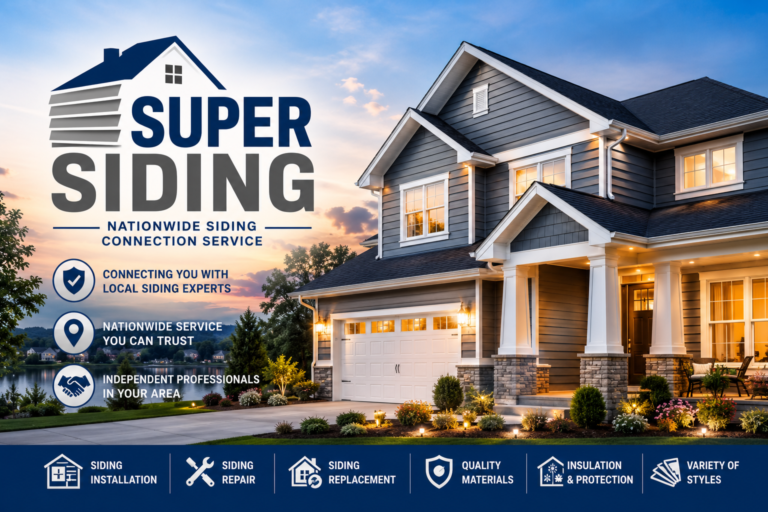
Super Siding is a free nationwide service that can connect you with qualified, independent siding professionals in your area. These experts can walk you through the various siding options available, including vinyl, and help you understand how different materials will perform in your specific climate and how they will complement your home’s architecture. They can also provide accurate quotes for installation and discuss the long-term implications of each choice.
To get started on finding the right siding solution for your home, call and get connected with a local siding pro today.
Need a Siding Contractor? Call today to get connected.