Is siding installation a realistic DIY project?
For many homeowners, the allure of a DIY siding installation project is strong, promising significant cost savings and a profound sense of accomplishment. However, the reality of undertaking such a substantial home improvement task is often more complex and demanding than it initially appears. In short, while technically possible for some individuals with considerable construction experience and the right tools, siding installation is generally not a realistic DIY project for the average homeowner.
The Undertaking of Siding Installation
Siding is the protective and aesthetic outer layer of a home, shielding it from the elements and contributing significantly to its curb appeal. Installing it involves more than simply nailing planks to a wall. It requires meticulous planning, precise measurements, specialized tools, and a deep understanding of building science to ensure proper ventilation, moisture management, and structural integrity. Mistakes in siding installation can lead to serious issues like water intrusion, mold growth, pest infestations, and premature material degradation, potentially costing far more to repair than the initial savings from a DIY attempt.
Factors Influencing DIY Feasibility
Several key factors determine whether a siding installation project might be within the realm of a DIY endeavor. These include the homeowner’s skill level, the type of siding material chosen, the complexity of the home’s architecture, and the local climate.
Homeowner’s Skill Level and Experience
This is perhaps the most critical factor. A homeowner with extensive experience in carpentry, construction, or a related trade will have a significant advantage. They will likely possess the necessary fine motor skills, spatial reasoning, and knowledge of building codes and best practices. This includes understanding how to work with different materials, operate power tools safely and effectively, and troubleshoot unforeseen challenges. For individuals with limited to no construction experience, the learning curve for siding installation can be incredibly steep and fraught with potential errors.
Siding Material Choices
The type of siding material selected plays a crucial role in the complexity of installation. Some materials are more forgiving and easier to work with for less experienced individuals, while others demand a high degree of precision and specialized techniques.
- Vinyl Siding: This is often considered the most DIY-friendly option. It’s lightweight, easy to cut, and typically manufactured with interlocking systems that simplify the attachment process. However, proper alignment and expansion/contraction considerations are still vital to prevent warping or damage.
- Fiber Cement Siding: While durable and attractive, fiber cement requires specialized cutting tools and techniques. It’s heavier than vinyl and demands careful handling to avoid breakage. Installation also often involves specific fasteners and caulking procedures to ensure weather resistance.
- Wood Siding: Wood siding, including clapboards and shakes, offers a classic aesthetic but can be labor-intensive. It requires precise cutting, fitting, painting or staining, and careful attention to sealing to prevent rot and insect damage. The materials themselves can be heavy and require careful handling.
- Metal Siding: Metal siding, such as aluminum or steel, can be efficient but often requires specialized tools for cutting and bending. Ensuring a weathertight seal is paramount, and improper installation can lead to leaks and premature corrosion.
Home Architectural Complexity
A simple, rectangular home with minimal gables, dormers, or intricate trim work presents a far less challenging siding project than a home with multiple stories, complex rooflines, numerous windows, and detailed architectural features. Navigating these complexities requires advanced planning, precise cutting around obstacles, and specialized flashing techniques to prevent water intrusion. The more features and angles a home has, the less realistic a DIY siding installation becomes.
Local Climate Considerations
The climate in a specific region significantly impacts siding requirements and installation nuances. For instance, areas with extreme temperature fluctuations necessitate careful consideration of expansion and contraction gaps in the siding material. Coastal regions prone to high winds and salt spray require specific types of siding and installation methods to withstand these harsh conditions. In perpetually wet climates, proper drainage and ventilation behind the siding are critical to prevent moisture buildup and rot. Understanding and addressing these localized climate needs requires a nuanced knowledge that goes beyond basic installation instructions.
The Hidden Costs and Risks of DIY Siding
Beyond the cost of materials and tools, DIY siding installation carries several hidden costs and significant risks:
- Time Investment: What might take a professional crew a few days can easily stretch into weeks or even months for an inexperienced DIYer. This prolonged disruption to your home can be inconvenient and may even affect the integrity of the exposed house wrap.
- Tool Acquisition: While some tools might already be in a homeowner’s possession, specific siding installation often requires specialized equipment such as siding nailers, miter saws, scaffolding or ladders, and safety gear. The cost of purchasing or renting these can offset perceived savings.
- Mistakes and Rework: As mentioned, errors in installation can lead to costly repairs down the line. This might include replacing damaged materials, addressing water leaks, or even rectifying structural issues. The cost of correcting mistakes can quickly eclipse the savings from not hiring a professional.
- Warranty Issues: Many siding manufacturers offer warranties on their products. Improper installation by an untrained individual can void these warranties, leaving the homeowner with no recourse if the material fails prematurely.
- Safety Hazards: Working at heights, handling heavy materials, and operating power tools all present significant safety risks. Falls from ladders or scaffolding, cuts from sharp materials, and injuries from malfunctioning tools can have severe consequences, requiring medical attention and potentially long recovery periods.
When to Consider Professional Help
Given these considerations, it is strongly advisable for most homeowners to engage the services of experienced siding professionals, especially for complex projects or when working with materials that require specialized knowledge. Professionals bring not only expertise and the right tools but also a deep understanding of building codes, safety protocols, and the specific requirements of different siding materials. They can also offer warranties on their workmanship, providing an added layer of security and peace of mind.
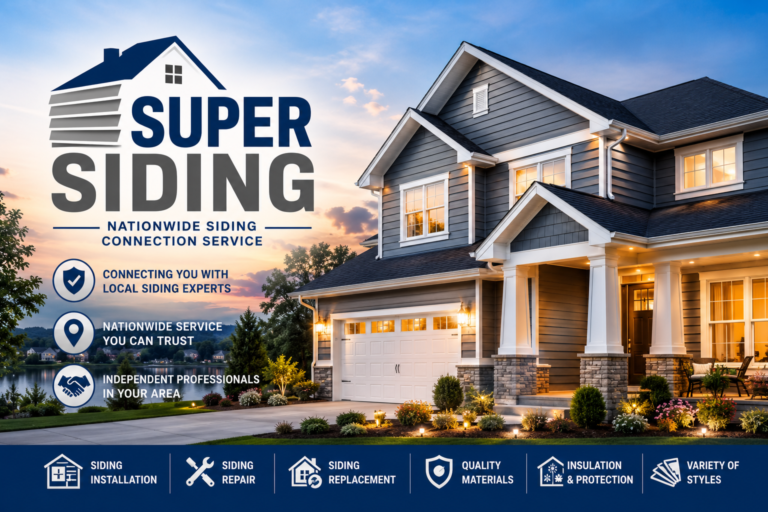
For homeowners looking to find qualified local siding contractors, Super Siding offers a free nationwide service that connects you with independent siding professionals in your area. This ensures you find experienced and reliable individuals to handle your project expertly.
Conclusion
While the idea of a DIY siding installation is appealing from a cost-saving perspective, the practical realities, technical demands, potential risks, and potential for costly mistakes make it an unrealistic project for the vast majority of homeowners. The integrity of your home’s exterior, its protection against the elements, and its long-term value are too important to entrust to guesswork or inexperience. Engaging a professional siding contractor is generally the most prudent and effective approach to ensure a durable, aesthetically pleasing, and weather-resistant siding installation.
If you’re considering a siding project and want to ensure it’s done right, consider getting connected with a local siding pro. Call today to be connected with a qualified professional who can assess your needs and provide expert installation.
Need a Siding Contractor? Call today to get connected.