Is fiber cement siding better than vinyl?
Fiber Cement Versus Vinyl Siding Which Is Better
When considering exterior renovations, the choice of siding material is paramount, impacting not only curb appeal but also long-term durability, maintenance, and cost. Two of the most popular options for homeowners are vinyl siding and fiber cement siding. While both offer distinct advantages, fiber cement siding generally emerges as the superior choice for homeowners seeking exceptional longevity, aesthetic versatility, and resilience against the elements.
Understanding the Materials
To appreciate the differences, it is crucial to understand what each material entails. Vinyl siding is a thermoplastic material made primarily from polyvinyl chloride (PVC). It is manufactured in sheets and then pressed into specific siding profiles. Fiber cement siding, on the other hand, is a composite material composed of cement, sand, cellulose fibers, and water. These ingredients are mixed and then cured under pressure, resulting in a highly durable and stable product.
Durability and Longevity
One of the most significant differentiators between fiber cement and vinyl siding lies in their respective durability and expected lifespan. Fiber cement siding is renowned for its exceptional strength and resistance to a wide array of environmental challenges. It is inherently resistant to rot, insect damage, and warping, making it an ideal choice for climates prone to high humidity, pest infestations, or significant temperature fluctuations. Its substantial weight and composition mean it is less susceptible to impact damage from hail or falling debris compared to its vinyl counterpart.
Vinyl siding, while offering good protection, is not without its vulnerabilities. It can become brittle in extreme cold and can warp or fade under prolonged exposure to intense sunlight. It is also more prone to cracking or denting from impacts. While modern vinyl formulations have improved, fiber cement siding typically boasts a longer lifespan, often lasting 50 years or more with proper maintenance, whereas vinyl siding may need replacement sooner, typically in the 20-30 year range.
Aesthetic Versatility and Appearance
In terms of appearance, fiber cement siding offers a broader range of aesthetic possibilities and a more premium look. It can be manufactured to mimic the appearance of natural materials such as wood clapboard, cedar shakes, and even stone. This allows homeowners to achieve a high-end, sophisticated look that is often difficult to replicate with vinyl. Fiber cement can also be painted any color, giving homeowners complete freedom in design. Manufacturers offer a vast palette of colors and styles, and the material holds paint exceptionally well.
Vinyl siding, while available in many colors and profiles, can sometimes have a slightly more manufactured appearance. The colors are integral to the material, meaning they are less prone to fading but also limiting repainting options. While advancements have led to more convincing wood grain textures and richer color palettes, fiber cement often provides a more authentic and customizable finished look.
Maintenance Requirements
Both siding types require maintenance, but the nature and frequency differ. Vinyl siding is generally considered low maintenance. It can typically be cleaned with water and mild detergent. However, due to its tendency to fade over time, especially in harsh sun exposure, repainting may not always be recommended or yield desirable results. If a section is damaged, it is also more difficult to blend a new piece seamlessly with the existing, aged siding.
Fiber cement siding also requires periodic cleaning, often with a hose and a soft brush. While it does not rot or attract insects, its painted surface will eventually require repainting, typically every 10-15 years, depending on the quality of the paint and the climate. However, when it does need repainting, the surface is prepared and painted like any other exterior surface, allowing for a fresh look and color change if desired. The rigidity and stability of fiber cement also mean that if a piece is damaged, it can often be replaced to more closely match the surrounding, aged material.
Resistance to the Elements and Fire
Fiber cement siding possesses superior resistance to various environmental threats. Its inherent properties make it fire-resistant, often carrying a Class A fire rating, which can be a significant advantage for homeowners in wildfire-prone areas. It is also impervious to moisture-related issues like mold and mildew growth. Its density and composition also provide better insulation value compared to vinyl, contributing to energy efficiency.
Vinyl siding, being a plastic, is combustible. While fire retardants are added, it will melt and burn. Its resistance to wind is generally good, but severe gusts can sometimes lift or dislodge panels, especially if not installed correctly. It is also more susceptible to damage from extreme temperature swings, which can lead to expansion and contraction that compromises the integrity of the seams over time.
Cost Considerations
The initial cost of materials and installation is an important factor for many homeowners. Typically, vinyl siding has a lower upfront cost than fiber cement siding. The material itself is generally less expensive, and installation can sometimes be quicker and more straightforward, contributing to lower labor costs, especially for simpler applications.
Fiber cement siding, while having a higher initial price tag, often proves to be more cost-effective in the long run. Its extended lifespan, reduced need for replacements, and superior resistance to damage can minimize repair and replacement expenses over the decades. The perceived higher initial investment in fiber cement can therefore yield greater value and savings over the home’s lifetime.
Conclusion
When weighing the attributes of fiber cement and vinyl siding, fiber cement emerges as the superior long-term investment for most homeowners. Its exceptional durability, resistance to pests and moisture, superior aesthetic versatility, and inherent fire resistance offer a compelling advantage. While vinyl siding presents a more budget-friendly initial option and low maintenance in terms of cleaning, fiber cement siding provides a more robust, beautiful, and resilient exterior solution that can enhance property value and provide peace of mind for many years to come. The choice between them often hinges on a homeowner’s priorities regarding upfront cost versus long-term value, desire for aesthetic customization, and specific environmental considerations in their locale.
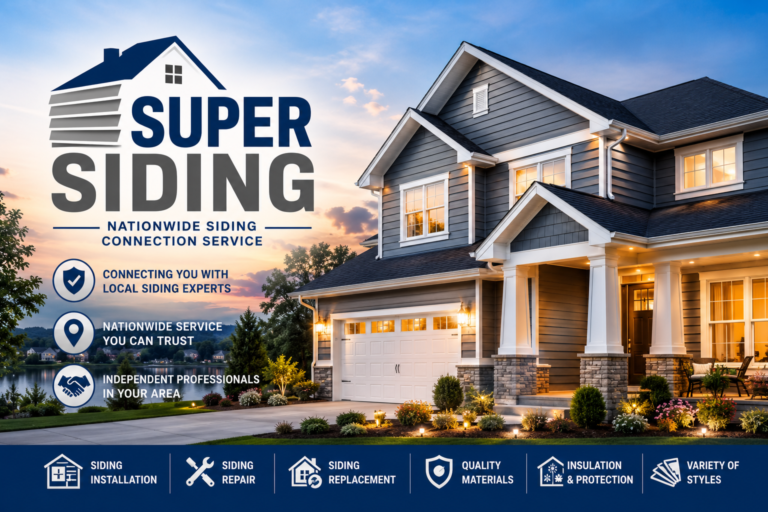
Choosing the right siding is a significant decision. Super Siding is a free nationwide service that can help you connect with local, independent siding professionals who can discuss your specific needs and provide expert recommendations. Call today to get connected with a local siding pro who can help you make the best choice for your home.
Need a Siding Contractor? Call today to get connected.