Choosing a siding color that will stand the test of time and avoid looking dated is a crucial decision for any homeowner. The most effective approach to selecting a timeless siding color is to opt for neutral, earthy tones or classic architectural hues that have proven their enduring appeal across decades. These colors tend to harmonize well with a variety of architectural styles and surrounding landscapes, ensuring your home remains aesthetically pleasing for years to come.
Understanding Timeless Color Palettes
The secret to a non-dated siding color lies in its versatility and inherent aesthetic qualities. Instead of chasing fleeting trends, focus on colors that have consistently been considered sophisticated and attractive in home design. These often fall into categories that reflect the natural world or acknowledge established architectural traditions.
Neutral Tones
Neutral colors are the bedrock of enduring design. They offer a calm and sophisticated backdrop that doesn’t overpower or call undue attention to itself. Neutrals are exceptionally adaptable, making them suitable for a wide range of home styles, from modern farmhouses to traditional colonials.
- Whites and Off-Whites: Crisp whites can feel very contemporary, while softer off-whites, such as cream or ivory, offer a more traditional and gentle appeal. These can be paired with virtually any accent color for trim and doors.
- Grays: From light, airy silvers to deep charcoal, grays offer a sophisticated and modern feel. Lighter grays can evoke a sense of spaciousness, while darker grays provide a grounded and elegant presence. Consider how natural light in your area affects the perception of gray.
- Beiges and Tans: True to their earthy origins, beiges and tans provide warmth and a connection to the natural environment. These colors are particularly effective at blending with landscapes and exude a sense of comfort and stability. Think of sand, stone, or natural wood tones.
Earthy and Nature-Inspired Hues
Colors drawn from the natural world have a timeless quality because they are innately harmonious with our surroundings. These shades often evoke a sense of calm and organic beauty.
- Muted Greens: Sage, olive, or forest green can bring a sophisticated, natural aesthetic to your home. These colors are especially effective in areas with abundant greenery, helping your home blend seamlessly into its environment.
- Blues: Soft, muted blues, reminiscent of the sky or water, can create a serene and classic look. Deeper navies offer a more traditional and dramatic statement. The intensity of your local sunlight can influence how these blues appear.
- Browns and Terracottas: Rich browns, like chocolate or walnut, and warm terracottas offer a grounded and inviting feel. These colors are excellent for creating a cozy or rustic impression and are often found in traditional architectural styles.
Considering Architectural Style and Context
The timelessness of a siding color is also deeply intertwined with the architectural style of your home and its surrounding environment. What looks classic on a Victorian will likely not suit a minimalist modern structure, and vice versa. A careful consideration of these factors will guide you toward a color that feels inherently right for your property.
Matching Siding Color to Architectural Style
Certain colors are traditionally associated with specific architectural styles, lending them an air of authenticity and enduring appeal.
- Colonial and Traditional Homes: Whites, creams, muted blues, deep reds, and forest greens often complement these styles.
- Craftsman and Bungalows: Earth tones, muted greens, browns, and sometimes deeper blues work well, reflecting a connection to nature.
- Mid-Century Modern Homes: While these can handle bolder colors, timeless neutrals like grays, whites, and even subtle earthy tones remain a safe and stylish bet for longevity.
- Contemporary and Modern Homes: Whites, blacks, grays, and even subtle, desaturated earthy tones are often favored for their clean lines and minimalist aesthetic.
Harmonizing with the Local Landscape
The environment around your home plays a significant role in how a siding color will be perceived and how well it will age visually. A color that stands out unnaturally can quickly feel dated.
- Rural Settings: Earthy tones, muted greens, and browns tend to blend harmoniously with natural surroundings.
- Suburban Neighborhoods: Neutrals and classic hues maintain a broad appeal and ensure your home fits cohesively within the streetscape.
- Coastal Areas: Lighter blues, grays, and whites are often popular choices that reflect the environment and can withstand salty air better visually.
The Impact of Siding Material and Maintenance
The material of your siding and the level of maintenance it requires can also influence the longevity of its appearance and, therefore, the perception of its color.
Material Considerations
Different siding materials hold and display color differently, and some are more resistant to fading over time.
- Vinyl Siding: Known for its affordability and low maintenance, vinyl siding’s colors have improved significantly, but some lighter shades might be more susceptible to heat distortion or gradual fading in intense sunlight.
- Fiber Cement Siding: This material is highly durable and often comes with factory-applied paint that is resistant to fading. It offers excellent color retention.
- Wood Siding: While beautiful, wood siding requires regular maintenance (painting or staining) to preserve its color and integrity, making your chosen color a cyclical decision.
- Metal Siding: Modern metal siding, such as aluminum or steel, often has high-quality coatings that resist fading and corrosion, providing a durable and long-lasting color.
Maintenance and Color Longevity
The regular upkeep of your siding is essential for maintaining the vibrancy and appeal of its color.
- Cleaning: Routine cleaning can remove dirt, mildew, and debris that can dull your siding color.
- Repainting/Restaining: For materials like wood, repainting or restaining according to the manufacturer’s recommendations is vital for preserving the color’s original look.
- Quality of Finish: Opting for siding with high-quality, fade-resistant finishes will ensure your chosen color remains consistent for longer.
Testing and Visualization
Before committing to a siding color, it’s highly recommended to test it out visually in real-world conditions.
- Siding Samples: Obtain large samples of your chosen colors and hold them up against your home’s exterior in different lighting conditions throughout the day.
- Paint or Vinyl Swatches: If you’re considering painting existing siding or choosing new vinyl, look at large swatches.
- Digital Visualization Tools: Many siding manufacturers and paint companies offer online visualization tools where you can upload a photo of your home and “try on” different colors. This can be incredibly helpful but remember to also trust your eyes with physical samples.
- Observe Your Neighborhood: Take note of siding colors on homes in your area that you admire and seem to hold up well over time.
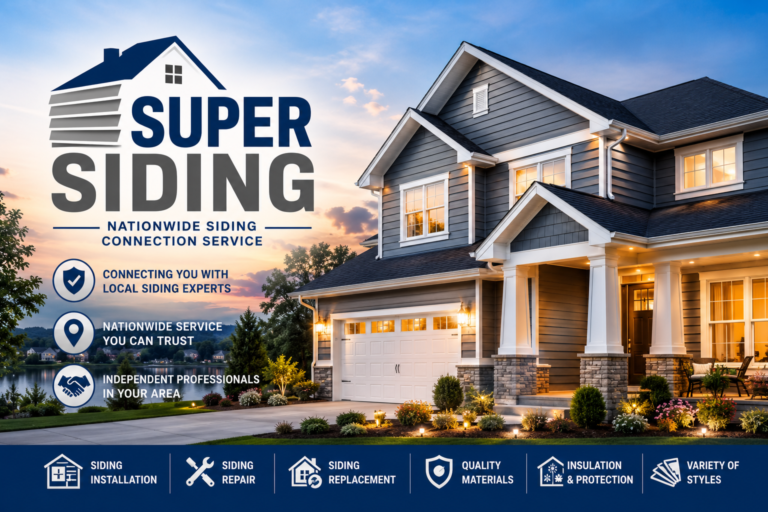
By focusing on neutral, earthy, or historically appropriate architectural colors, considering your home’s style and environment, and understanding the implications of siding material and maintenance, you can select a siding color that will enhance your home’s curb appeal for years to come. If you’re ready to explore options and connect with experienced professionals who can help you make the best choice for your home, consider reaching out for guidance. Super Siding is a free nationwide service that connects homeowners with local, independent siding professionals who can offer expert advice and reliable installation services. Don’t let the intimidation of choosing a color hold you back; call today to get connected with a local siding pro and take the first step toward a beautiful, timeless home exterior.