Can you mix siding materials on one house?
The short answer is a resounding yes, you absolutely can mix siding materials on one house. In fact, doing so is a common and often aesthetically pleasing design choice that can enhance a home’s curb appeal and even offer practical benefits. While it requires careful planning and execution, combining different siding types can create a dynamic and personalized exterior that stands out.
Strategic Siding Combinations
Mixing siding materials isn’t just about slapping two different products together; it’s about creating a cohesive and intentional design. The key is to select materials that complement each other in terms of texture, color, and style, while also considering their functional properties. Common and effective combinations often involve using different materials on distinct architectural features or sections of the house.
Architectural Accents
One of the most popular ways to mix siding is to use a primary material for the majority of the home’s exterior and then a contrasting material for architectural accents. This could include using a stone veneer on a foundation or a particular section of wall, a different material for gables, or even a unique siding for dormers or porch columns. For example, a home clad in traditional vinyl siding might feature a section of natural stone or manufactured stone around the entryway to add warmth and a touch of elegance. Similarly, cedar shingles or shakes can be used on a prominent gable to create visual interest against a smoother siding material. This approach breaks up monolithic expanses of siding and draws the eye to interesting architectural details.
Zone Separation
Mixing siding can also be used to visually define different zones or levels of a house. Imagine a two-story home where the first floor is clad in a durable, perhaps more robust material like fiber cement, and the second story features a lighter, more decorative option like shakes. This can create a sense of grounding for the lower level and a lighter, airy feel for the upper. Another approach is to use different siding on sections that are naturally separated by architectural elements, such as using a warm wood-look siding on an attached garage while the main house is clad in a contrasting color of lap siding. This technique helps to break down the overall mass of a larger home and give it a more nuanced appearance.
Material Performance and Durability
Beyond aesthetics, mixing siding materials can also be a pragmatic choice related to performance and durability. Different areas of a house are exposed to varying degrees of weather. For instance, areas near the ground are more susceptible to moisture and impact, making a more robust material like stone or fiber cement a wise choice for a lower section. Higher up on the walls, where exposure might be less severe or the impact of minor damage less noticeable, a material like vinyl or engineered wood might be perfectly suitable. This strategy allows you to allocate more durable and potentially more expensive materials to areas where they are most needed, optimizing both cost and longevity.
Consider the impact of your local climate. In areas with heavy rainfall or snow, using water-resistant materials on lower sections is crucial. In regions with intense sun exposure, certain materials might fade more quickly or require more maintenance. A professional siding installer can help you choose materials that are best suited for your specific environmental conditions, and strategically placing your chosen materials can maximize their lifespan and performance.
Design Considerations
While the possibilities are extensive, a successful mix of siding materials hinges on careful design choices. It’s not simply about picking two materials; it’s about how they interact visually and functionally.
Color Harmony
The colors of your chosen siding materials should complement each other. This doesn’t mean they have to be the same color, but they should work in harmony. Consider using a neutral palette with one accent material, or complementary colors from the color wheel. For example, a gray stone veneer would pair well with both white and darker-colored lap siding. A deep navy blue could be beautifully accented with natural wood tones.
Texture Contrast
Juxtaposing different textures can create a rich and visually appealing exterior. A smooth lap siding can be dramatically contrasted with the rough texture of stacked stone, or the subtle linear pattern of cedar shakes. This textural variety adds depth and interest, making the home more engaging to look at.
Scale and Proportion
Pay attention to the scale of the materials you’re using relative to the size and architectural style of your home. Large, chunky stone might overwhelm a smaller cottage, while delicate shutters might be lost on a grand Victorian. Ensure the size and application of each siding material are in proportion with the overall design.
Transitions and Details
The way two different siding materials meet is critical. Clean, well-executed transitions are essential for a professional look. This often involves the use of trim boards, flashing, and other detailing to create a seamless and weather-tight seal. A skilled installer will understand how to properly integrate different materials to prevent water intrusion and ensure a beautiful finish. For example, a transition from lap siding to stone might involve a stone sill that extends slightly beyond the lap siding, with proper flashing installed underneath.
Practical Implementation
Executing a mixed-siding project requires professional expertise to ensure both aesthetic success and structural integrity.
Professional Installation
While some DIY enthusiasts might attempt simple siding projects, mixing different materials often involves varying installation techniques and specialized knowledge. For example, installing stone veneer requires a different skill set than hanging vinyl siding. Improper installation can lead to several problems, including:
- Water intrusion and rot
- Poor performance of materials
- A visually unappealing or unprofessional finish
- Voided manufacturer warranties
It is highly recommended to consult with experienced siding professionals. They will have the knowledge to properly prepare surfaces, install each material according to manufacturer specifications, and create the necessary transitions and flashing to ensure your home is protected from the elements.
Budgeting
The cost of mixed siding will vary depending on the types and brands of materials chosen, as well as the complexity of the installation. More durable and premium materials like natural stone or high-end fiber cement will naturally cost more than standard vinyl. However, strategic mixing can allow you to use less expensive materials on less visible or less demanding areas, potentially balancing out the overall cost. Always get detailed quotes from several reputable contractors.
Maintenance
Understand the maintenance requirements of each material you choose. Some materials, like natural stone, are very low maintenance, while others, like wood, may require periodic staining or sealing. Vinyl siding is generally very low maintenance, requiring only occasional cleaning. Choosing materials with similar maintenance needs where they meet can simplify upkeep. A professional can help you select materials that fit your lifestyle and maintenance preferences.
Connecting with Professionals
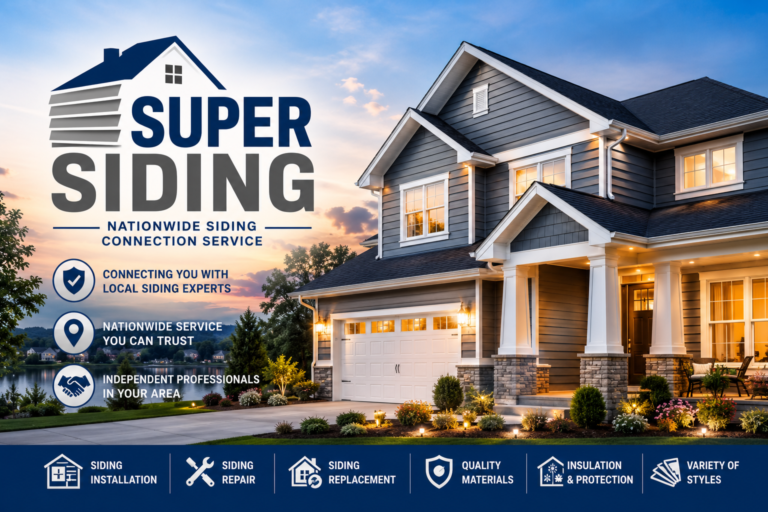
If you’re considering mixing siding materials for your home, the best first step is to consult with local siding professionals. They can offer valuable insights into design possibilities, material suitability for your climate, and provide accurate cost estimates. Super Siding is a free nationwide service that can help connect you with local, independent siding professionals who have the expertise to handle projects involving mixed siding materials. They don’t perform the work themselves, but they can ensure you’re connected with qualified individuals in your area.
In conclusion, mixing siding materials on one house is not only possible but can be an excellent way to enhance your home’s appearance and functionality. With careful planning, thoughtful material selection, and professional installation, you can achieve a stunning and durable exterior that reflects your personal style and stands the test of time. Don’t hesitate to explore this design avenue if you’re looking to give your home a unique and captivating look.
To get started on planning your mixed-siding project and connect with local experts, call Super Siding today!
Need a Siding Contractor? Call today to get connected.