How long does vinyl siding last?
Vinyl siding, when properly installed and maintained, can last for an impressive 20 to 50 years or even longer. This broad range is influenced by several factors, including the quality of the vinyl itself, the specific type of vinyl siding chosen, the environmental conditions it’s exposed to, and the level of upkeep it receives over its lifespan.
Understanding Vinyl Siding Lifespan
The longevity of vinyl siding is a significant advantage for homeowners, offering a durable and relatively low-maintenance exterior solution. Unlike traditional materials that may require frequent painting or sealing, vinyl siding provides a consistent aesthetic and protective barrier for decades. However, achieving the upper end of its lifespan depends on a combination of inherent product quality and external forces.
Factors Influencing Longevity
Several key elements contribute to how long your vinyl siding will remain in good condition and effectively protect your home:
- Quality of the Vinyl Product: Not all vinyl siding is created equal. Higher quality vinyl siding typically contains more durable resins and UV inhibitors, making it more resistant to fading, cracking, and impact damage. This translates to a longer functional lifespan.
- Type of Vinyl Siding: Different styles and thicknesses of vinyl siding offer varying degrees of durability. For instance, heavier gauge vinyl siding with a thicker profile is generally more robust and can withstand impacts better than lighter-gauge options. Specific product lines may also offer enhanced features like improved wind resistance.
- Climate and Environmental Conditions: The local climate plays a crucial role. Areas with extreme temperature fluctuations, intense sunlight, high winds, or hail storms can accelerate wear and tear. For example, prolonged exposure to intense UV rays can lead to fading over time, while frequent hailstorms can cause dents or cracks. Coastal regions with salt spray can also impact the siding’s appearance and integrity.
- Installation Quality: Proper installation is paramount. Siding that is not installed correctly – for instance, too tightly or too loosely, or without adequate expansion gaps – can be prone to warping, buckling, or detaching, significantly reducing its lifespan. Ensuring installation allows for natural expansion and contraction with temperature changes is critical.
- Maintenance Practices: While vinyl siding is low-maintenance, neglecting it entirely can shorten its lifespan. Regular cleaning to remove dirt, mildew, and debris prevents staining and deterioration. Addressing minor damages promptly, such as cracks or loose panels, can prevent more extensive problems from developing.
Signs of Aging and When to Consider Replacement
Even the most durable vinyl siding will eventually show signs of age. Recognizing these indicators can help you determine when replacement might be necessary, preventing potential issues like water infiltration or reduced energy efficiency.
Common Indicators of Worn Siding
- Fading: While some fading is natural over many years, significant or uneven discoloration can indicate the UV protection has degraded.
- Cracking or Brittleness: As vinyl ages, it can become more brittle and susceptible to cracking, especially in cold weather or when impacted.
- Warping or Buckling: This can be a sign of improper installation, extreme temperature changes, or underlying structural issues.
- Loose or Missing Panels: These are obvious signs of deterioration and can compromise your home’s protection.
- Damage from Pests: In rare cases, insects or other pests can cause damage to vinyl siding, especially if it’s already compromised.
- Increased Energy Bills: If your siding is no longer providing adequate insulation due to damage or gaps, you might notice higher heating and cooling costs.
Maximizing the Lifespan of Your Vinyl Siding
While you cannot control all factors, proactive measures can help ensure your vinyl siding reaches its maximum potential lifespan.
Essential Maintenance Tips
- Regular Cleaning: Wash your vinyl siding annually with a mild detergent and water. A soft-bristle brush or a cloth can be used for stubborn spots. Avoid high-pressure washing, as it can damage the siding and force water behind it.
- Inspect for Damage: Periodically walk around your home and visually inspect the siding for any signs of cracking, warping, or loose panels. Address any issues as soon as they are discovered.
- Trim Overhanging Branches: Tree branches rubbing against the siding can cause scratches and wear. Keep them trimmed back.
- Ensure Proper Drainage: Make sure gutters are clear and directing water away from the house, preventing prolonged exposure to moisture.
The Role of Professional Installation
One of the most critical factors in achieving the longest possible lifespan for your vinyl siding is professional installation. A qualified siding contractor will understand the nuances of the material, adhere to manufacturer guidelines, and ensure the siding is installed correctly to accommodate expansion and contraction. This professional touch is invaluable for the long-term performance and durability of your exterior.
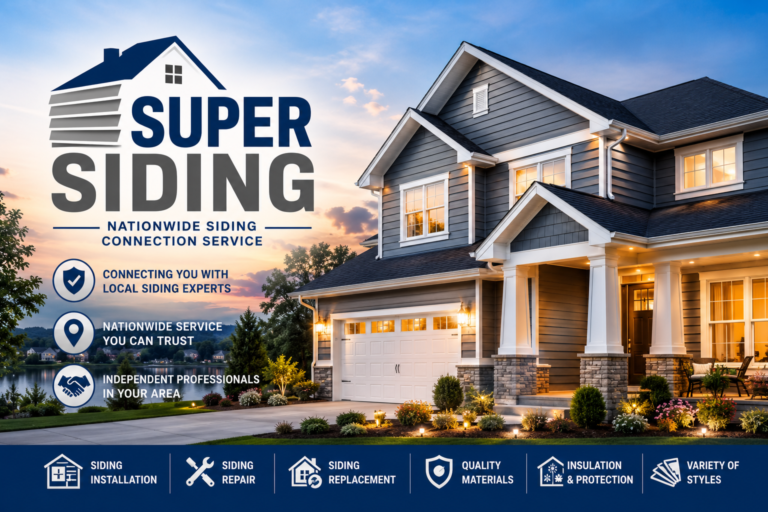
When it comes time to select and install new vinyl siding, or to have your existing siding inspected for potential replacement, connecting with experienced local professionals is key. Super Siding is a free nationwide service that can help homeowners find reliable, independent siding contractors in their area. They do not perform the work themselves but facilitate connections with those who do.
Investing in quality vinyl siding and ensuring its proper installation and care can provide your home with decades of reliable protection and aesthetic appeal. If you’re considering new siding or need an assessment of your current exterior, don’t hesitate to call and get connected with a local siding pro who can guide you through the best options for your home and climate.
Need a Siding Contractor? Call today to get connected.